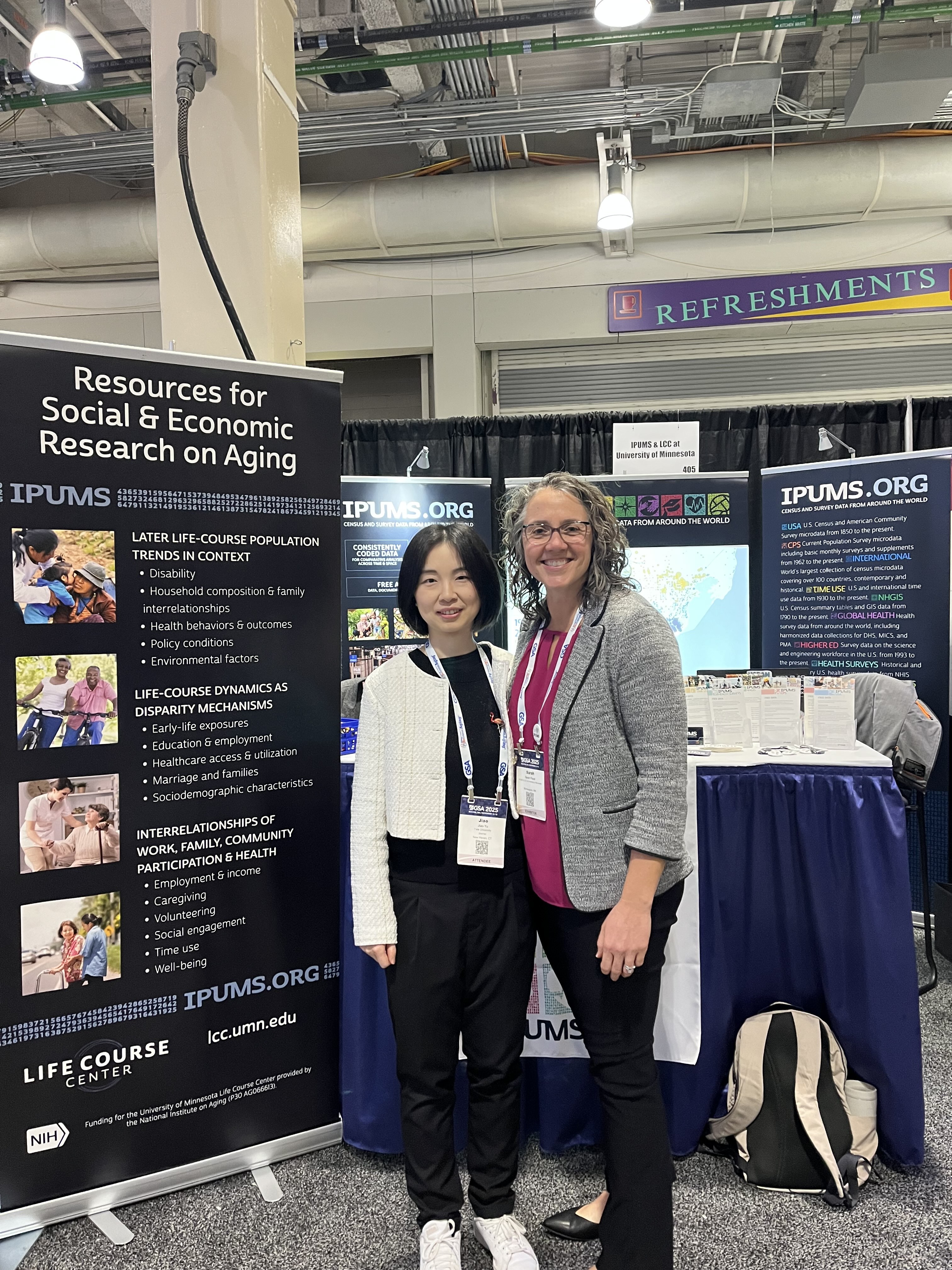
With NIA support, the LCC focuses on four research themes that are crucial to understanding the demography and economics of our aging society. These themes leverage our intellectual strengths and unique resources, and they have profound implications for the development of interventions, policies, and practices to improve the health and well-being of aging populations in the U.S. and around the world.
- Later life population trends in context: the impact of both persistent and shifting macrosocial contexts for explaining changes across historical time and place in aging processes and outcomes, including physical and cognitive functioning, disability, morbidity, mortality, general health, and well-being.
- Life course dynamics as disparity mechanisms: the processes by which social change and contexts—especially the impacts of early and cumulative life experiences—play out in the lives of population groups to reduce or exacerbate disparities in health outcomes.
- Interrelationships among work, family, community participation, and health: the consequences of changing economic, familial, social, and institutional environments on life course engagement in paid work, family responsibilities (e.g., caregiving, living arrangements, engagement), and volunteering, as well as the implications for life chances, health, and life quality in the mid- and later-life course.
- Health care services and supports for an aging population: the health and financial implications of the care infrastructure for older adults, which includes healthcare organizations, the healthcare workforce, payment models for care, and other policies for the care and support of aging populations.
To support research in these themes, the LCC offers an annual Pilot Grant Program and a Network for Data-Intensive Research on Aging.