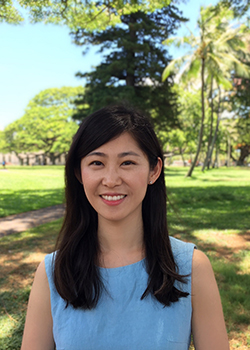
A new study by LCC pilot grant awardees Yeonjung Jane Lee and Cindy Vang entitled "A Time of Heightened Anti-Asian Racism: Discrimination, Resilience, and Mental Health Among Asian and Asian American Older Adults" examines how experiences of discrimination and resilience shape the mental health of Asian and Asian American older adults in the years following the COVID-19 pandemic. Drawing on survey data from 126 adults age 50 and older representing diverse Asian backgrounds, the study explored the relationships among discrimination, resilience, depression, anxiety, loneliness, and self-rated mental health.
The findings show that experiences of discrimination were associated with worse mental health across multiple domains, including higher levels of depression and anxiety, poorer self-rated mental health, and greater loneliness. At the same time, resilience emerged as a powerful protective factor. Older adults with higher levels of resilience reported fewer depressive symptoms, lower anxiety, better mental health, and less loneliness.
The study highlights the lasting consequences of anti-Asian racism for older adults and underscores the importance of culturally responsive approaches to promoting mental health and well-being. The authors argue that strengthening resilience, expanding multilingual mental health services, and addressing the unique challenges faced by older Asian and Asian American adults are critical steps toward advancing mental health equity in aging populations.